Catalyzing response to ocean and coastal acidification through collaboration and information sharing | oainfoexchange.org
The Ocean Acidification Information Exchange and its members advance understanding of ocean and coastal acidification through collaboration and information sharing to better prepare communities to respond and adapt to acidification
OVERVIEW: COASTAL WATERS ARE ACIDIFYING
Sharply increased carbon dioxide in the atmosphere is lowering the pH of the ocean. Hardest hit are coastal waters, where excess nutrients and freshwater from land exacerbate acidification of seawater. These processes are called ocean and coastal acidification.
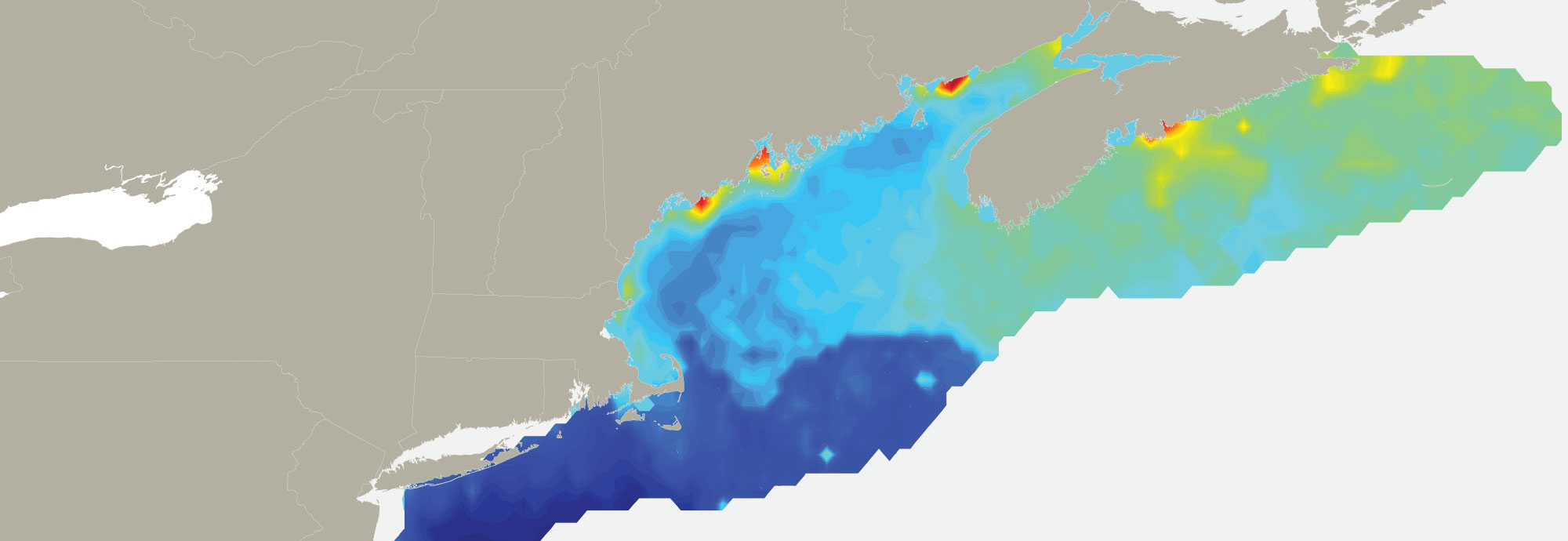
Ocean and Coastal Acidification
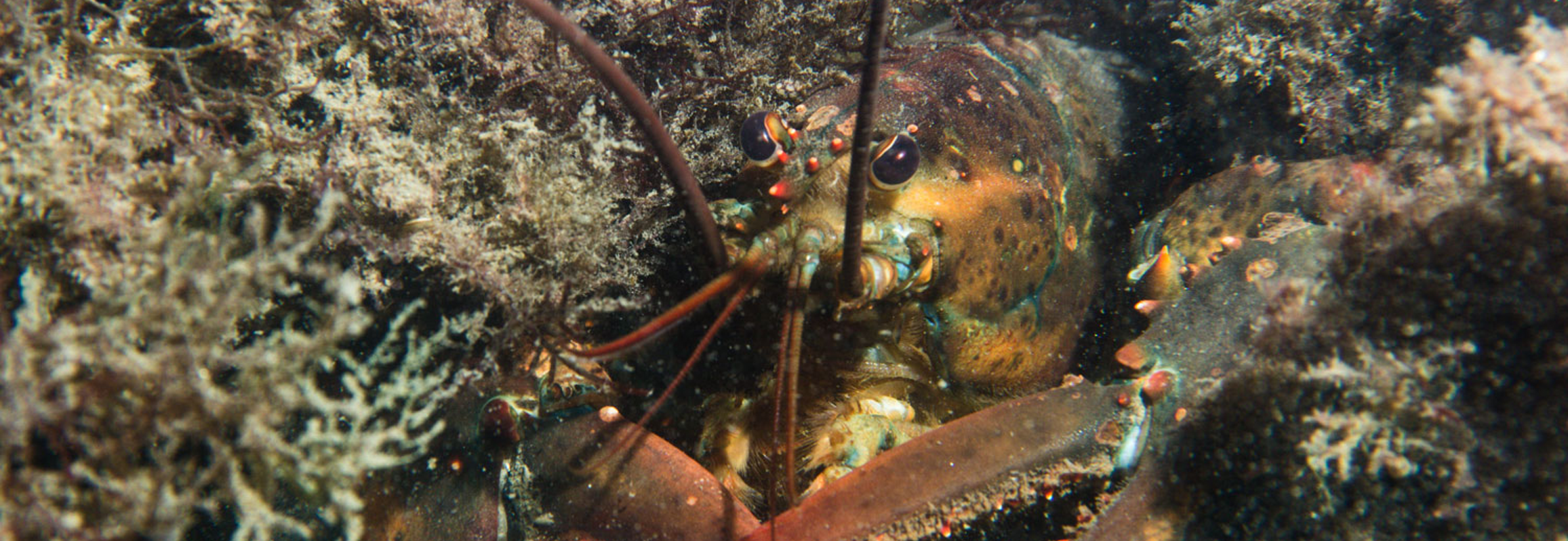
When carbon dioxide (CO2) from the air is absorbed by seawater, chemical reactions occur that form carbonic acid. They also reduce the amount of dissolved calcium carbonate minerals, which are the building blocks for the skeletons and shells of many marine species. These chemical reactions are termed ocean acidification, or OA.








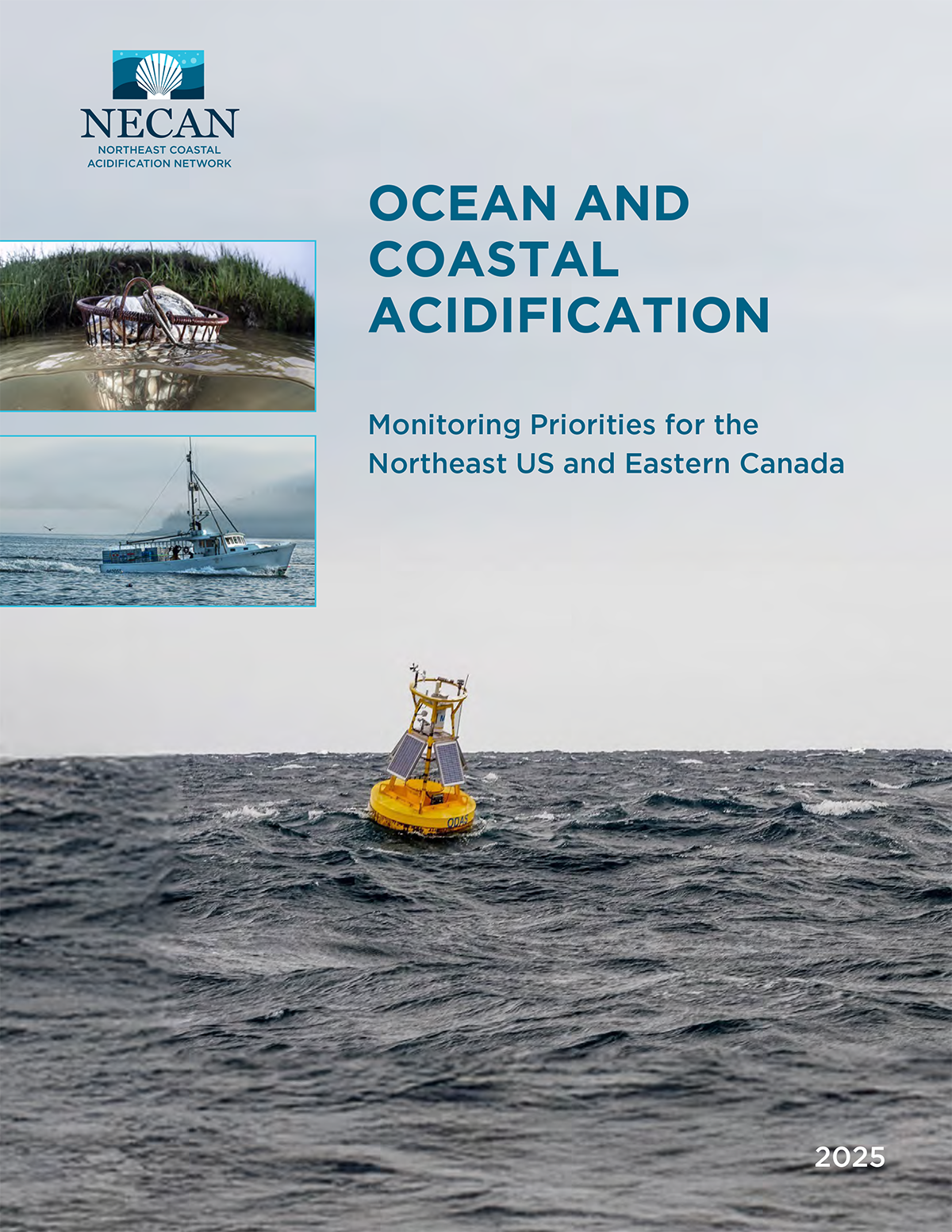
NECAN Monitoring Priorities in the Northeast
The Interagency Working Group on Ocean Acidification Monitoring Prioritization Plan 2024 calls for Coastal Acidification Networks to identify the ocean and coastal acidification (OCA) monitoring needs most important for their regions. The Northeast Coastal Acidification Network (NECAN) organized a webinar series to study regional needs, which culminated with a workshop in November 2023. This workshop led to the identification of six new monitoring needs.
The plan dives deeper into these monitoring needs, along with eight cross-cutting themes, which act as potential intersection points for coordinated actions that will help achieve these needs.
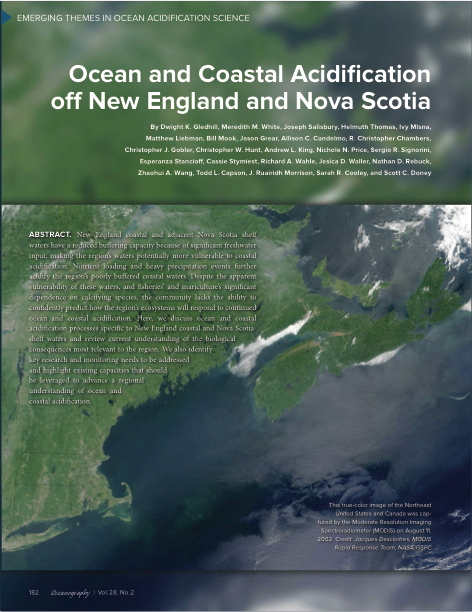
NECAN Report on Ocean and Coastal Acidification
The Northeast Coastal Acidification Network (NECAN) published “Ocean and Coastal Acidification off New England and Nova Scotia” in the June 2015 Special Issue of Oceanography.
The article explains why the Northeast region is especially vulnerable to acidification, summarizes scientific findings about effects on marine life, and identifies research priorities. The information is based in part on a series of state-of-the-science webinars and workshops hosted by NECAN.
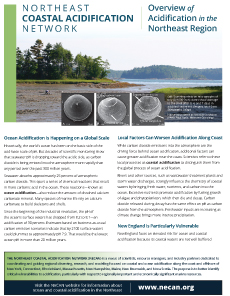
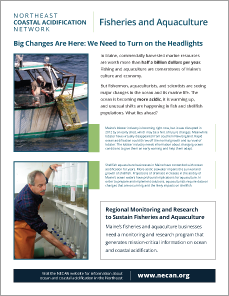
A four-page brochure is also available that summarizes key information from the article.
Featured Resources
Reference Library
Click on keywords below or browse all references. See Glossary for definitions.

Geographic Areas
Northeast U.S.
Gulf of Maine
Scotian Shelf
East Coast
West Coast
Gulf of Mexico
Caribbean
Global


NECAN NEWS UPDATES
The latest news from Northeast Coastal Acidification Network